
Can We Be Shamans?
Is it Ever OK to Describe Ourself as a Shaman?

[Listen or download this article as an MP3]
Very often the term ‘shamanism’ seems to have become problematic, and the New-Age-O-Sphere is somewhat choked with people claiming what they do is shamanic, and sometimes even claiming that they themselves are shamans. The truth is however, shamanism is a rather specific term, and it has a rather specific definition too.
A great deal of what is described as ‘shamanic’ is not really shamanism at all, and most people who claim the word to define themselves do so through ignorance or ego-driven design.
This article started life as a footnote in this issue, but it rapidly got out of hand and demanded more elbow space. Much of it has been said before in other places, although perhaps it doesn’t hurt to say it again.
But, before we go any further, let’s actually try to define the beast that is shamanism itself. The word has become a bit of a catch-all term in recent years - as I’m sure you are aware - but here is a basic working definition ...
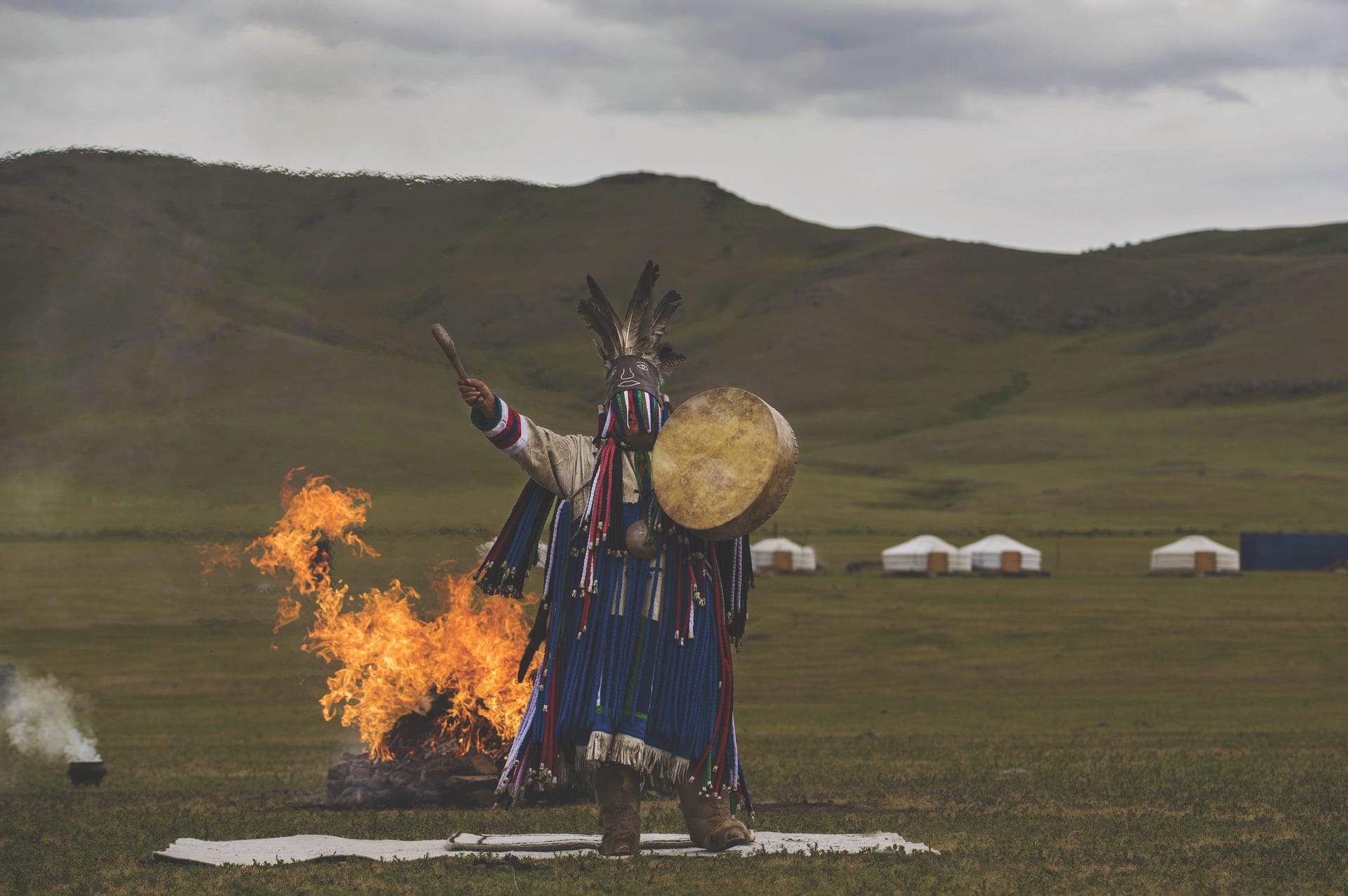
A shaman is someone who is chosen by the spirits and who is able to go into a controlled and repeatable trance state at will, in which they ....
A] go on a spirit flight to the spirit worlds. There they meet spirits, whom they either work with, trick, negotiate with, or fight, in order to make physical changes in the ordinary world...
B] are at times taken over by their known spirit helpers - generally ancestral spirits of former shamans - who make use of the living shaman’s body, to give advice or healing to members of the shaman’s community.
C] In addition to entering trance, they have an animistic understanding of reality, and engage in acts of deliberate magic and ceremony - outside of a trance state - in order to create change in the world.
Without the spirits there can be no shamanism, and without the trance aspect it isn’t shamanism.
A great deal of what is advertised as shamanism, would probably be better described as ‘animsim;’ the understanding that everything has a spirit, and that all things are connected.
But now, let’s look at the term ‘shaman’ and explore how legitimate it is to use it to describe ourself or our work.
Briefly - for those who don’t already know the origin - the word comes from the Tungus -Manchu word ‘šaman,’ which means to ‘heat up’ and ‘get excited’. The word describes the ecstatic trance state that a shaman enters when they are possessed by a spirit and have become frenzied.
It is a male word, and the correct word for a female ‘shaman’ is udigan, which has its roots in the name of an ancient Mongol - Altaic Earth Mother goddess, and goddess of the hearth, Etugen-eke.
Michael Harner and his team created Core Shamanism in the early 1970s. This is rather different to Traditional Shamanism, but can be a very useful way for Westerners to approach the spirits. Most people who are involved in Core Shamanism describe themselves as a ‘shamanic practitioner,’ which is a respectful and appropriate way to describe themselves.
In more recent years however, some people have been mixing aspects of Core Shamanism with New Age ideas, to produce a third strand of shamanism: ‘New Age Shamanism.’ This New Age form is often not shamanic at all, being - at best - a mix of watered-down Core, with things like Reiki, Yoga, crystals, sound-baths, and many other things mixed in.
In many ways, people practising the New Age form, are generally - in all truth - not even really shamanic practitioners - let alone shamans - but it does seem as if many erroniously use ‘shaman’ to describe themselves, perhaps knowing no better.
So, in the light of that, here then is a basic rule of thumb regarding Western people calling themselves shamans. Many people will agree with this, but I know some people will vehemently disagree.
A person in the West is never in a position to call themselves a shaman; unless a traditional shaman has seen that person work and identified that person as a shaman, and then accepted that person as a peer to some degree.
The identifying shaman must be one from a real, old, indigenous lineage; from a culture with a long history of shamanism; and that shaman will have been identified as a shaman by their own elders... who in turn were identified as shamans by their elders - and so forth - in an unbroken line stretching into the past. That is the nature of a lineage.
It is not OK for a Western person to call themself a shaman because their clients or students call them one. Western clients or students rarely know what a real shaman actually is, and therefore have no knowledge base to speak from.
And now we come to some grey and rather sticky areas. For instance, if a Western person has been properly identified as a shaman by an indigenous shaman - one who knows them and knows their shamanic work and judged it authentic - can it be acceptable for that identified Western shaman to quietly - at appropriate times - describe themselves as a shaman?
There are people in the West who work in traditional ways that have been taught to them by their traditional teachers, and who follow lineage practices. These people are shamans, because they have been identified as shamans by people who are qualified to give that identification.
Some of these Western shamans will have students and apprentices with whom they have worked closely, and if the student has truly exhibited signs that they have been chosen by the spirits, and the Western shaman is truly honest and circumspect in their perception about the student; then it might be OK for that Western shaman to identify and acknowledge that student as a shaman too.
This is how new lineages are formed, and in this way - given time - it is possible that real shamanic lineages will develop in the West, like planting a ‘cutting’ from a plant into new soil.
It is also possible that sincere grounded Core Shamanism - not the New Age mutant offshoot - will develop into lineages in time. These lineages will develop because of the work of deeply spirit-connected and gifted individuals. In the future, whether these people can truly be classed as shamans will depend on the depth of their work, and that is a debate for another day. But for now, the term shamanic practitioner is a perfectly good one.
And if we have been quietly called a shaman by one capable of truly seeing us, we need to decide how and when we use the term. Shouting it from the rooftops as some sort of validiction of our work is not the way to go about things, as it simply makes us look egotistical, and encourages the Western New Age fantasists, who think they are shamans, to use the term themselves. That just makes the word even more ill-used.
But now for a bit of a warning, because here are many dubious indigenous teachers who make money by selling teachings - often fake - to Westerners.
Many of these people are quite happy to call any Westerner a shaman, but they mostly won’t know the Westerner - or know their work - so are in no position to be able to judge. They may call that Westerner a shaman because they are flattering them - perhaps to make money off them - or because they simply want to get rid of the pesky Westerner.
This is where education, self-reflection and honesty come to the fore, because just because a person has the right DNA, it does not mean they are an authentic indigenous shaman. Western wallets are often fat, and they can be tempting to people from - often rather impoverished - indigenous cultures.
The only real antidote to this is to develop a firm education in shamanism, so Westerners can better spot the fakes.
It might be very flattering to be called a shaman by an indigenous person; but their words carry little weight unless you know without doubt that they truly are a shaman, so we need to become educated enough to be able to see how real they are, so we can accurately assess their words.
Shamanism is about humility and being of service to the spirits and to our human community. It is not a badge of honour. In many societies people do not want to be shamans and think Westerners who run to work with shamanic teachers are crazy.
If we get an ego boost by thinking of ourselves as a shaman, we need to have a good long and hard look at ourselves and at our motivation. There is a great need for self-reflection about it all.
And let’s look at that thorny issue of Cultural Appropriation, because I see it kicked about a fair bit on Social Media.
Cultural Appropriation is the adopting of certain aspects of another culture which a person has no right to adopt. It can be a big problem, there have been cases of fashion designers adapting culturally sensitive sacred images to make trendy cat-walk clothes, and of course American football teams - and young party goers - stealing and abusing Native American Plains culture feather bonnets.
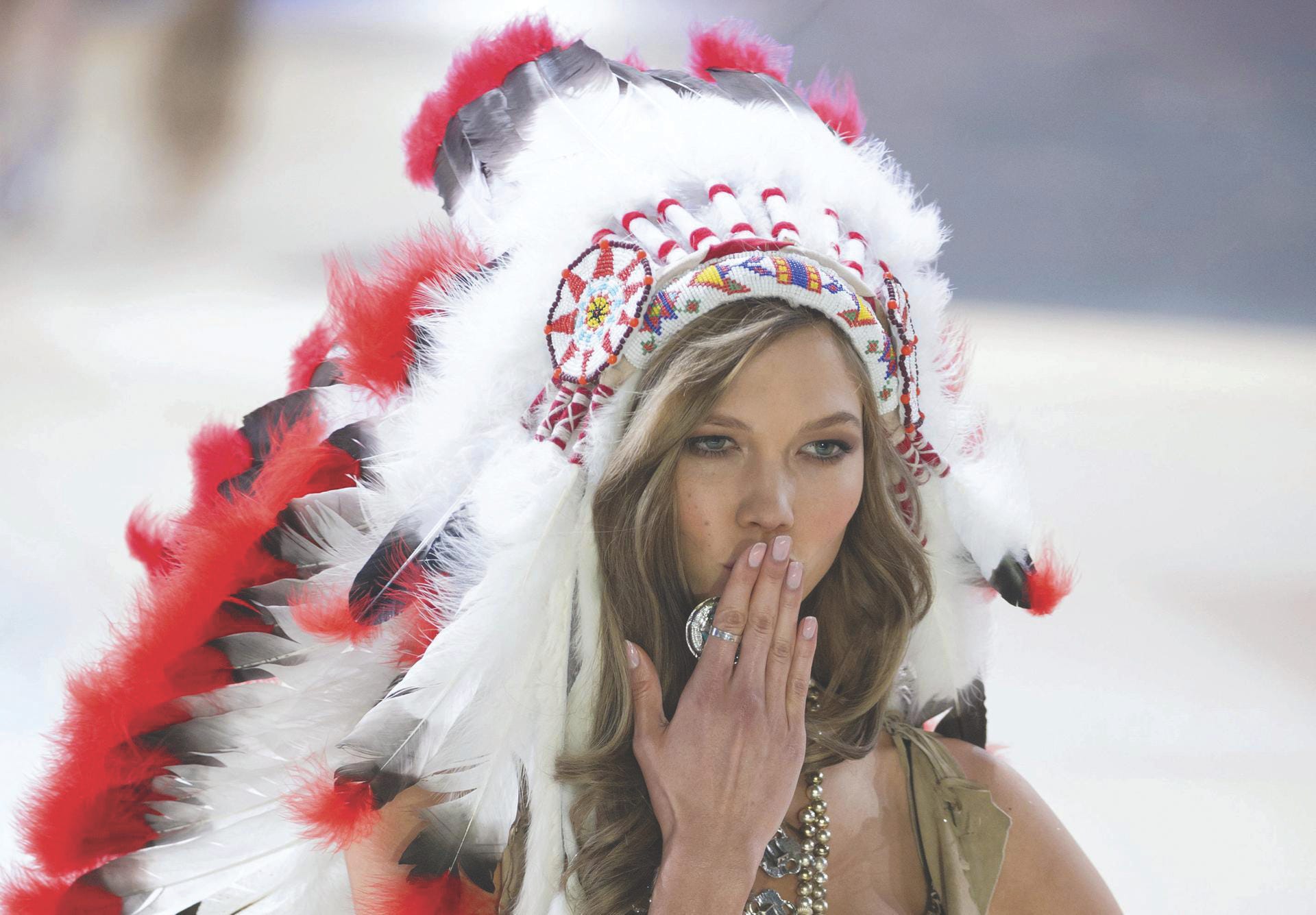
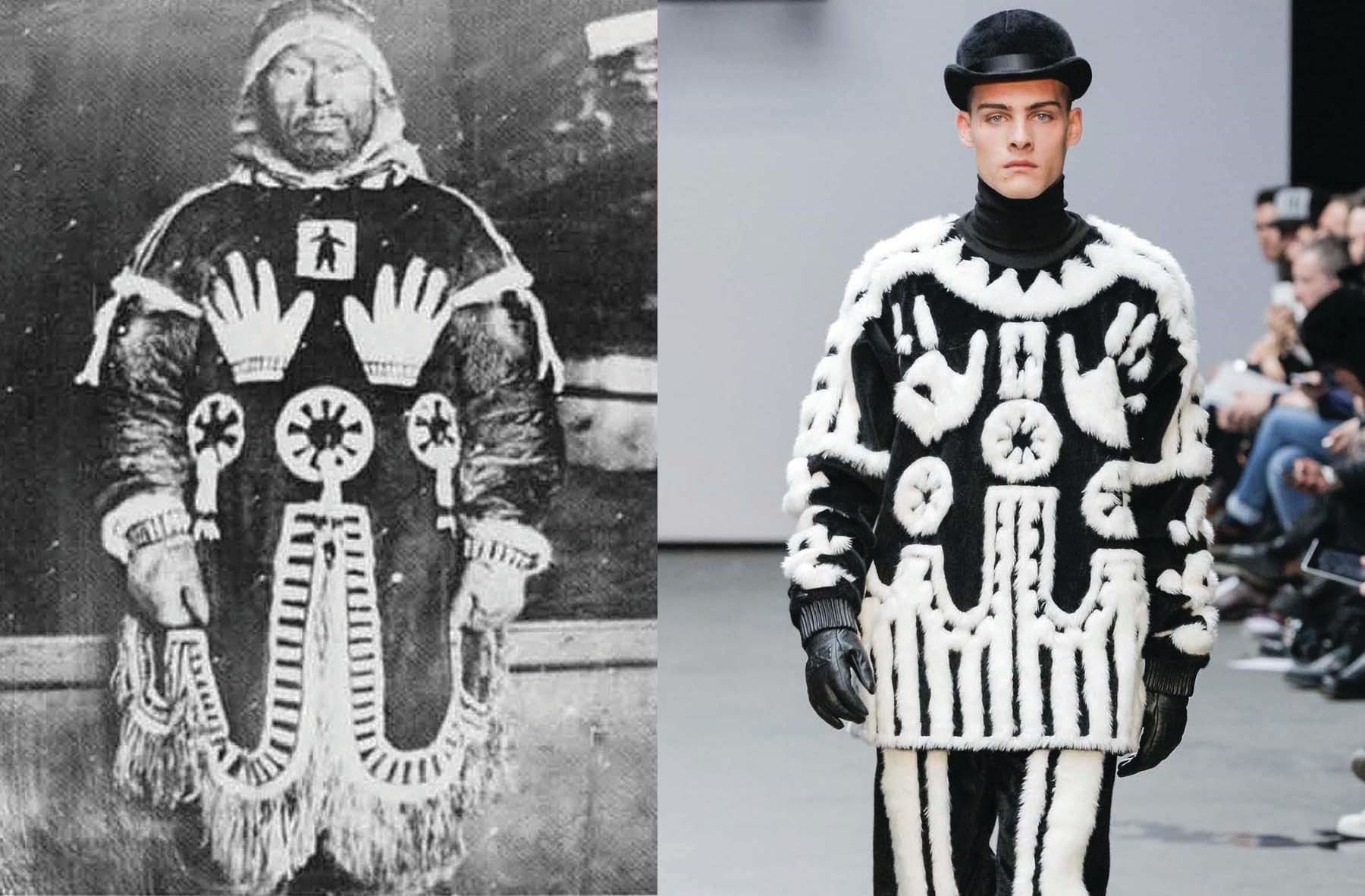
But, learning traditional shamanism - or the sacred traditions of any culture - is not Cultural Appropriation, so long as the person teaching has the authority to teach; either because they are a respected member of that culture, or they have explicit permission from a member of that culture to pass on sacred teachings.
In my book, that is the rule. It’s fine to practice any sacred tradition, so long as you have been taught by someone with access to an authentic lineage.
That means it’s absolutely not Ok to watch a video on YouTube of a sacred ritual and ape it, copy it, with no direct hands-on connection to the culture that ritual comes from. And the same goes for reading about it in a book too.
Lots of indigenous cultures are willing to share [although some are not, and that’s fair enough], so to authentically hold teachings and practice those teachings is fine, so long as we are respectful, honest and also don’t ‘add on’ things and pass them off as authentic when they are not.
There are very well known New Age industrialist shamanic teachers out there who claim all sorts of things they teach are authentic, wrapping them up with indigenous terms to hide the fact they are bogus. Some of these teachings might have a small percentage of pure water in them, but the teacher has added a huge dollop of sugar water to the mix, in order to sell it to their Western audience.
So, practicing shamanism is not Culturally Appropriating, but we need education and awareness in order to stay the right side of the line.
This short article is designed to encourage some self-reflection, and I know those with introspective sensitivity, and respect for the traditions, will probably take the words to heart.
Thank you for your heartfelt, deeply reasoned, and respectful exploration of this. None of my beloved elders from First Nations cultures ever use the term shaman; they use the traditional words in their own languages, or when communicating with folks outside their community, they might use the best English translation of the word in their language, but that word is never shaman. They might speak of medicine, or power, or being a spiritual healer if they’re from down south. Often the Christian converts in their tribes might call them witches, and they occasionally use that term themselves just to get people off their backs. Mostly though, they just help people out without calling themselves much of anything. I appreciate how you speak of your own tradition.
Thank you for stating this so well. I know many westerners adopting the label of Shaman. This is a sign to me that they are leading with their ego. Thus far, (sadly) I’ve been correct each time. It is my deeper understanding a true Shaman will not advertise his/her service, being quiet and in the service of Spirit, guided by the higher powers. Bless the true Shamans.